
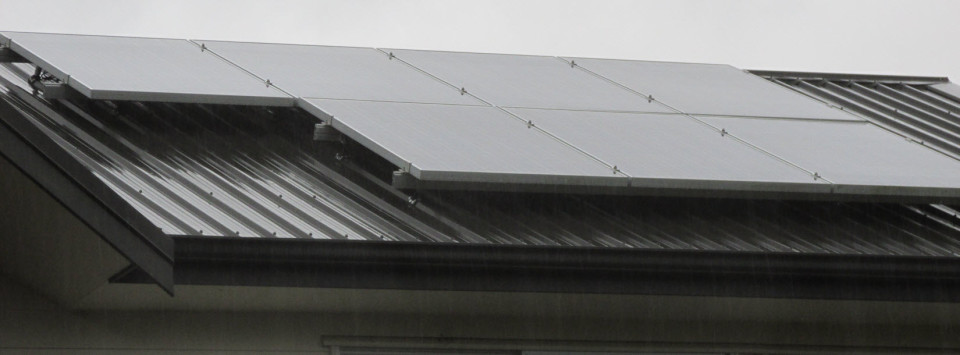
Smaller systems are typically installed in residential sites, with solar panels being the most common option, but may also include wind and other forms of generation.
Step 1: Read the following documents.
Step 2: Advise Wellington Electricity of your connection proposal using our online application form. This will be sent to our connections team.
- Connection of distributed generation (≤10kW) online application form
- Export Limit increase only no system changes (System size ≤10kW)
Step 3: Connect your distributed generation system by following the connection standards to enable generation into Wellington Electricity's network.
Step 4: Email Wellington Electricity ([email protected]) to notify them of your connection, including the ROI and COC.
Flexible export limits
As of Monday, 11 May 2026, we’re introducing flexible export limits for small-scale distributed generation connections on our network.
Rather than setting a fixed limit (10kW) we are following best international practice by using a price signal to DG owners to lower injection back to 5kW when parts of our network become congested.
We have modelled where and when we expect congestion to occur on our network and have this published on our website.
Like international best practice, we only want solar to reduce during congestion periods and be able to increase injection when the congestion has passed.
Once we have visibility of smart solar inverters and connection agreements, then this will become an automated process as with our sister companies in Australia. In the meantime, we will provide price signals so DG owners have choices to turn down or stay exporting and make the payment to fund network investment for additional solar capacity. Very similar to how the network operates Time of Use pricing for winter demand flexibility management.
Flexible limits will allow us to provide fair and equitable access to everyone seeking to inject above 5kW, while maintaining the reliability of our network for all customers.
An application for flexible export limits confirm agreement to operating envelope costs (when signalled) to manage future network congestion.
To provide solar users some comfort, the current 3% of homes with solar connections would need to grow to 20% before congestion is expected to appear. However we need a solar user agreement with users to have this management system in place when congestion occurs. This agreement supports us to operate a safe and reliable network for all of our customers, and continue to keep solar connected.
Operating envelope schedules will be published on our website from time to time for identified congested areas of the network and apply for specific time periods. Your ICP retailer will be notified in advance when an operating envelope applies to your connection. A congestion charge will be passed to ICP retailers for any distributed generation exporting above the published threshold.
You can avoid the congestion charge by taking one of the following steps during a congestion period:
• consuming additional generation through additional local behind-the-meter demand (hot water cylinder, EV, battery)
• installing local battery systems to store excess generation and export when the network is not experiencing solar congestion (late afternoon, night and through to early morning).
• reducing your export to stay within the operating envelope for the duration the envelope applies.
If you’re an existing solar customer and wish to increase your export limit beyond your existing approval, please review our Network Connection Policy for Distributed Generation and our Congestion and Interruption Management Policy, before completing our online application form.
Need help on your distributed generation project?
- If you'd like to talk to one of our project managers about your distributed generation project, please contact us on 0800 248 148 or email [email protected].

To help improve our service, what feedback can you give us about this page?